Community median
—
No ratings yet
Catalog rank
#23.4K
IGDB-derived signal
Drop rate
0%
0 tracked
Reviews
0
Community notes
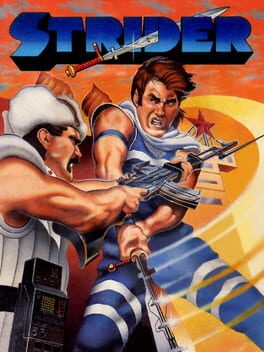
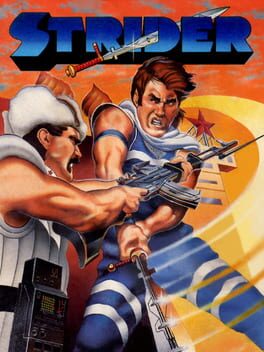
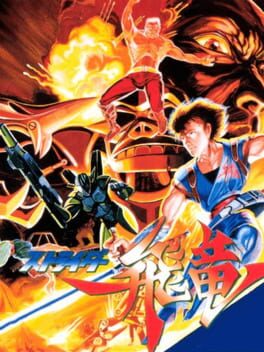
The controls of Strider consist of an eight-way joystick and two action buttons for attacking and jumping. The player controls Hiryu himself, whose main weapon is a tonfa-like plasma sword known as "Cypher". He can perform numerous acrobatic feats depending on the joystick/button combination used. Pressing the jump button while Hiryu is standing still will cause him to do a regular vertical jump, while pressing the jump button while pushing the joystick left or right will enable him to do a cartwheel jump. Hiryu can also slide under or through certain obstacles and enemies by first crouching down and then pressing the jump button. As well as his sliding move, both jumps can also be used to destroy weaker opponents. Hiryu is able to latch onto certain platforms, and climb across walls and ceilings using a metallic hook. While running down a sloped surface, Hiryu can gain enough momentum to allow him to do a longer cartwheel jump than usual. Numerous power-ups can be obtained from item boxes carried by certain enemies. These includes an extension to Hiryu's attack range that lasts for one hundred slashes, two types of health aids (represented by the kanji used to write Hiryu's name: 飛 and 飛竜), a max health extension (represented by the kanji 竜, the second character in Hiryu's name), an extra life, and a power-up that not only makes Hiryu invulnerable to attack but also increases his own attack abilities via shadow images of himself for 15 seconds.[3] Hiryu can also summon robotic companions known collectively as "options" that help him fight enemies. These consist of up to two mushroom-like droids, a saber-toothed tiger and a hawk, known individually as Option A, B and C respectively. The game has five stages: the Kazakh Soviet Socialist Republic (called "St. Petersburg" during the arcade game's attract sequence), the Siberian Wilderness, the Aerial Battleship Balrog (געלראב), the Amazonian Jungle, and the Grandmaster's lair itself, the Third Moon. Each of the stages is divided into a number of smaller sections, each with their own time limit and checkpoint location. The player has a three-point health gauge (which can be increased to five points with the health extensions. Hiryu will lose a life when either his health gauge is fully depleted, by moving him off the screen entirely (like falling into a bottomless pit) or when the game's timer reaches zero. It's Game Over when all of Hiryu's lives are lost, but the player can be given the opportunity to continue.
- Platforms
- AmigaAmstrad CPCArcadeAtari ST/STECommodore C64/128/MAXDOSPlayStationSega Master System/Mark IIISega Mega Drive/GenesisSharp X68000WiiWii UZX Spectrum
- Themes
- ActionScience fiction
- Franchises
- Strider
- Collections
- Strider
- Game modes
- MultiplayerSingle player
- Perspectives
- Side view
- Languages
- English · Interface
- Age ratings
- ESRB E10+
Complete release history (15)
Arcade · Mar 1, 1989
Japan · Exact date · IGDB
Amstrad CPC · 1989
Europe · Year · IGDB
Amiga · 1989
Europe · Year · IGDB
Atari ST/STE · 1989
Europe · Year · IGDB
Commodore C64/128/MAX · 1989
Europe · Year · IGDB
DOS · 1989
Europe · Year · IGDB
ZX Spectrum · 1989
Europe · Year · IGDB
Sega Mega Drive/Genesis · Sep 29, 1990
Japan · Exact date · IGDB
Sega Mega Drive/Genesis · 1991
Brazil · Year · IGDB
Sega Master System/Mark III · 1991
Europe · Year · IGDB
Sharp X68000 · Nov 27, 1992
Japan · Exact date · IGDB
Sega Mega Drive/Genesis · Jan 1, 2000
Brazil · Exact date · IGDB
PlayStation · Jul 26, 2000
North america · Exact date · IGDB
Wii · Feb 16, 2012
Worldwide · Exact date · IGDB
Wii U · Nov 18, 2012
Worldwide · Exact date · IGDB
Community activity
How players are tracking it
- Tracked
- 0 players tracking this game
- Lists
- Included in 0 lists
- Favorites
- 0 favorites
Catalog relationships
Related games
DLCs & expansions
Bundles
 Capcom Classics Collection RemixedBundleIncludes Strider
 Capcom Classics Collection Vol. 2BundleIncludes Strider
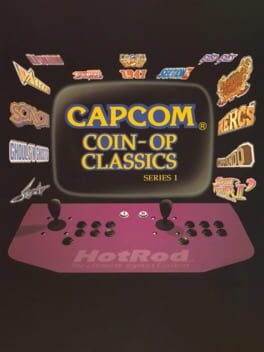 Capcom Coin-Op Classics Series 1BundleIncludes Strider
 Capcom Home ArcadeBundleIncludes Strider
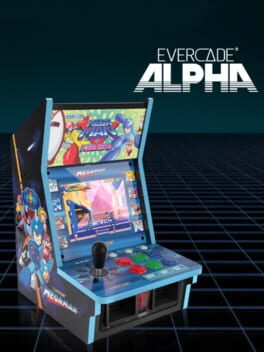 Evercade Alpha Mega Man Bartop ArcadeBundleIncludes Strider
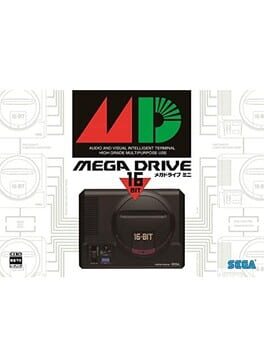 Mega Drive MiniBundleIncludes Strider
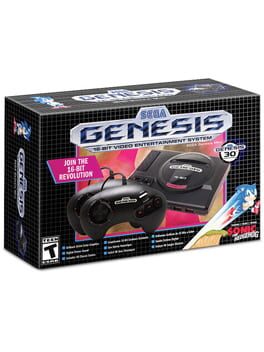 Sega Genesis MiniBundleIncludes Strider
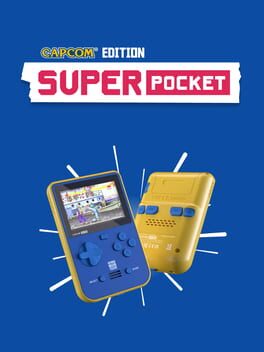 Super Pocket: Capcom EditionBundleIncludes Strider
 The Capcom CollectionBundleIncludes Strider
Remakes, remasters & ports
Similar games
 ChallengerMain gameSimilar to Strider
 Crackle CradleMain gameSimilar to Strider
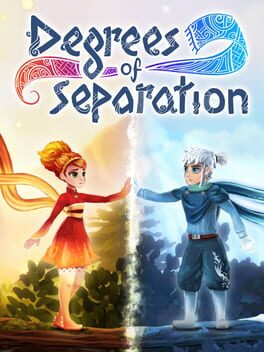 Degrees of SeparationMain gameSimilar to Strider
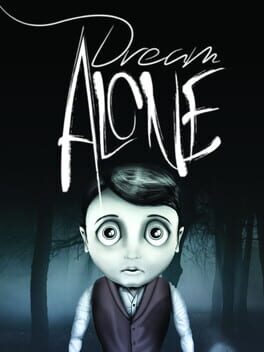 Dream AloneMain gameSimilar to Strider
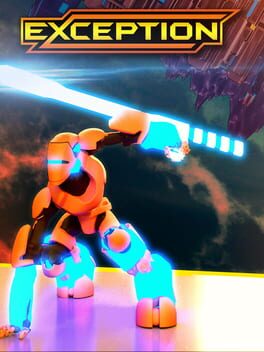 ExceptionMain gameSimilar to Strider
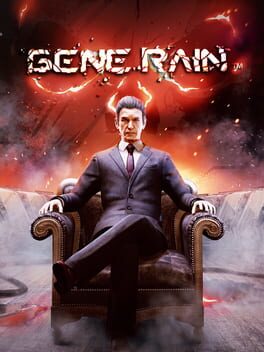 Gene RainMain gameSimilar to Strider
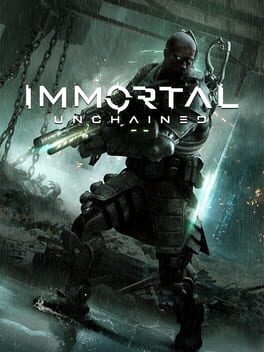 Immortal: UnchainedMain gameSimilar to Strider
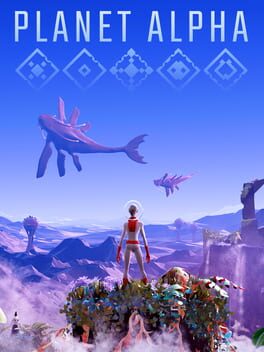 Planet AlphaMain gameSimilar to Strider
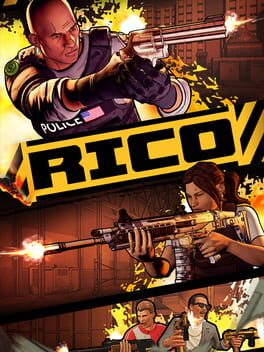 RicoMain gameSimilar to Strider
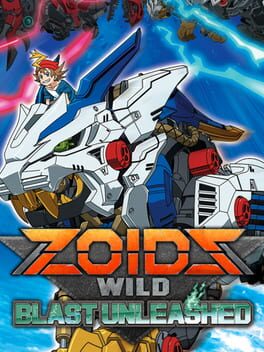 Zoids Wild: Blast UnleashedMain gameSimilar to Strider
Community notes